Batman Day 2024: The Lasting Impact of Live-Action Batman
Batman is an indelible pop culture icon. No, really. We just can’t get enough of this dude. Everywhere you look, there’s a Batman symbol on a T-shirt. Or, if you’re a collector, you’ve got Batman figures galore decorating your personal Batcave. This is about more than collecting, though. Even people who don’t own every DC statue or comic issue that Batman appears in still enjoy Batman movies. Ultimately, we all love Batman. But that leaves us wondering, why is Batman so popular and beloved?
It started with Batman’s introduction to the world in the 1930s. Then, the Bat-nomenon exploded and never went away. Like clockwork, we’ve got a new Batman project coming at us as fast as studios can churn them out. People crave these supercharged, silver and small screen stories with connections to the astoundingly popular DC character. And it all began in the 1960s.
The First Live-Action Batman, “the ’60s Batman,” Came Out in 1966

First, please allow us a single, “Um, actually.” Twenty years prior to Batman, Batman made his silver screen debut in a 15-chapter serial film. But most people look to Batman (1966 – 1968) as the Caped Crusader’s truest live-action debut. Whereas the serials were exclusive to cinema-goers, any fans with access to a TV could watch Batman and the Boy Wonder. Additionally, the Batman serials weren’t really related to DC/Batman lore … they were more-so government propaganda during WWII. Anyway, the ’60s Batman stuck truer to the source material. And thus those record-breaking 120 episodes went on to inspire decades of Batman live-action media. But we’re getting a little ahead of ourselves.
Batman (1966 – 1968)
The television series starred Adam West as Bruce Wayne/Batman and Burt Ward as Dick Grayson/Robin. An action-adventure comedy, it leaned heavily into the sillier nature of comics. After all, the show recognized its more absurd origins, like the fact that Batman got his Batarang from a circus performer. Plus, our main hero dresses up as a winged nocturnal animal. How can you not get a little goofy with that? Super hero comics, while aimed toward all ages, also started as kid-oriented entertainment. Put that all together, plus the cheesy 1960s family values and “wholesome” — more like censored — television craze, and the result was extra campy.
Of course, viewers didn’t mind one bit. As mentioned above, Batman broke records. It ran for three seasons, becoming the longest-running live-action super hero television series in history. Batman kept that record until Smallville surpassed it in 2017. That Batman and Superman rivalry really goes hard, huh? In any case, Batman was beloved and is often looked back on with the utmost respect and nostalgia. While its influence is less apparent over time, it’s still weaving its way through the fabric of every Batman story … and cape and cowl. Let’s explore that lasting impact below.
Holy Cinema Sensation, Batman!
What’s wild is … no live-action Batman was attempted again until the ’80s. Creators really took an extended break from the Bat. When they came back to the character, they tried some tonal shifts that didn’t always land. But hey, props for swinging in the first place?
Michael Keaton in Batman (1989) and Batman Returns (1992)

Tim Burton’s Batman movies feature the director’s signature spooky appeal. Yet there are still remnants of the ’60s campiness (without the censorship). All in all, Burton’s Batman flicks dial up the scares and the sex appeal in typical colorful ’80s and grungy ’90s fashion. We definitely get the sense that these movies wanted to pay tribute to Batman 1966 while also putting an updated spin on the story and genre. Burton’s interpretations of Batman, The Joker, Catwoman, and Penguin are still referenced today, so we’d call it a success.
Val Kilmer in Batman Forever (1995)

Batman Forever doesn’t alter too much by way of aesthetics. It does, however, revive the important Dynamic Duo. While Robin was largely previously absent from Batman films, he made his comeback as Val Kilmer’s sidekick. Then, it was all signature ’90s swank and sultriness from there, tempered only by the “super heroes are for kids” concept. Plus, Riddler and Two-Face provided pops of vibrant color to Kilmer’s brooding darkness, striking a mesmerizing visual balance.
George Clooney in Batman & Robin (1997)

Remember when we talked about Batman’s sex appeal? Batman & Robin took it a step further. This movie is an exercise in what you can get away with, especially when it comes to those anatomically correct costumes. However, you can’t say it doesn’t exude plenty of camp and color, two things Batman 1966 really tied to Batman imagery before the 2000s. In that respect, it as an homage to the spirit of Batman 1966 with its snappy dialogue and over-the-top villains. These versions of Poison Ivy, Bane, and Mr. Freeze will always be lots of fun to revisit.
Christian Bale in The Dark Knight Trilogy (2005 – 2012)

We’ve spoken extensively about the influence of The Dark Knight on the DCEU. But to summarize, The Dark Knight Trilogy seriously cemented super hero works as grounded pieces of fiction. Director Christopher Nolan looked at grittier comics such as The Long Halloween and Dark Victory to take inspiration from the source material while also setting a new precedent for Batman live-action media. We see very few traces of Batman 1966 except for staples like secret tunnels to the Batcave through Wayne Manor. In addition, TDK was entrenched in the politics of its time, and Batman 1966 also made use of real-life governmental and interpersonal narratives.
David Mazouz in Gotham (2014 – 2019)

Gotham was the first earnest attempt at a live-action Batman TV series in a long, long time. It was also a totally refreshing take, because it centered on Bruce Wayne as an actual child. He didn’t don the suit or become a vigilante until the final season, and even then, it required a big jump ahead in the story’s timeline to get him there. Overall, Gotham definitely had fun with its story. It took its crime drama genre seriously while also lovingly allowing its campier villains like Riddler and Penguin to shine. There’s a lot to appreciate about that.
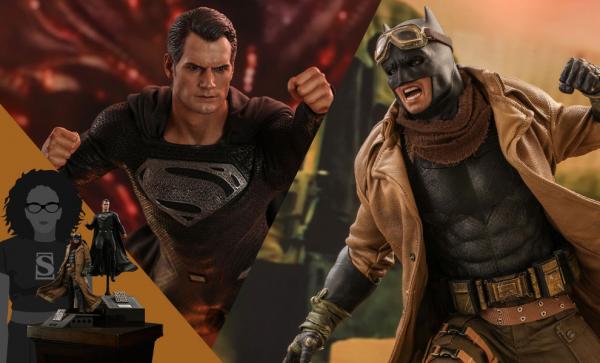
Ben Affleck in Batman v Superman (2016), Justice League (2017), and Zack Snyder’s Justice League (2021)

Batman v Superman sort of ushered in an era of super hero movies that were all about the action. They were kind of like super-powered MMA fights with explosions and special effects galore. To be totally honest, in a way, that’s camp. Because while Ben Affleck’s Batman was always suffering and brooding, he was also a huge, muscular dude beating up aliens. He wasn’t as serious as TDK, but he wasn’t as silly as Adam West. It’s definitely an interesting middle ground.
Robert Pattinson in The Batman (2022)

The Batman is decidedly dark, clad in something closer to true crime than spandex. That’s seemingly the direction fans want the character and narrative to take. Truly — and this makes sense given the time gap — it is the furthest departed from Batman 1966. Instead, it harkens back to Batman Begins, establishing TDK as more of a baseline moving forward. Now, fans don’t want the ’60s comic costumes or the ’80s hairdos. They want ’90s and Nirvana and heavy eyeliner. We’re loving that direction.
What’s so special about Batman?

Alright, so, why do we keep making Batman movies? Every fan has a different answer for why they personally purchase that movie ticket, or why they fill their home and car and life with the hero. When we break it down, though, heroes are important because we look up to them. They inspire us to be the best, or at least better, versions of ourselves. Batman reminds us that we all deserve justice. The trauma he experiences, while hopefully not 1:1, is relatable. And so is the way he deals with it — by being afraid, by falling, and then eventually picking himself up.
Batman also represents hope through a more realistic/grounded lens. His boy scout Justice League counterpart is great and all, but sometimes pure optimism feels a little corny. Anger and hurt, and the darkness, are more commonplace and we connect better to them. What’s most important, of course, is that we also connect to how Batman looks for the light every time. He has a literal Bat-Signal to remind him — and everyone else out there — what his insignia means. So what does it mean to you?
Which live-action Batman is your favorite? Make sure you have Batman action figures on your shelf to declare allegiance to your favorite. Then, show off your collection at side.show/geekgroup or in the Sideshow Social Network. And as always, don’t forget to Let Your Geek Sideshow!
By Jasmine Edwards

Connect with Jasmine
More from Jasmine
- Easy Geeky Costumes for a Last-Minute Halloween Party
- The Frightening Feminine: “Good For Her” Horror Movies
- Which Creepy Clown is Scarier: The Joker or Pennywise?
- Halloween Ends: Who Has Survived Michael Myers?
- Dark Comedy: Humorous Horror Heroes and Villains
✍️ Written by Humans, Not AI
Related Products