From Mecha to Yaoi, Here’s a Guide to 12 Major Anime Terms
Originally published May 11, 2026. This article covers definitions and examples of popular anime terms.
Anime is experiencing a rise in popularity lately that may be making non-fans curious about diving into the medium. If you’re just starting your anime-watching journey and all the terminology is throwing you off, fear not! We’re here to help guide you through the basics in the most simplified way possible.
Here are some anime terms to recognize as you begin your journey to weebdom. Browse the list below and then keep reading for recommendations and definitions!
- shonen / seinen
- shoujo / josei
- isekai
- slice of life
- mecha
- magical girl
- yuri / yaoi
- harem / reverse harem
Shonen / Seinen

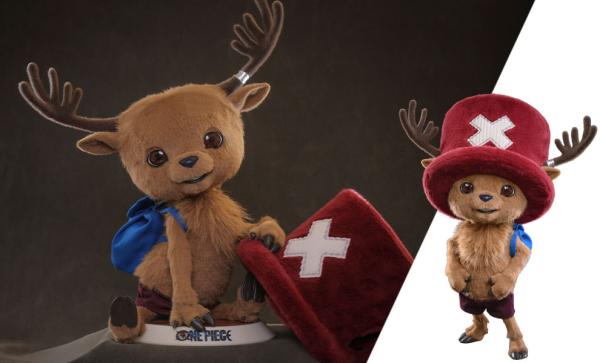
- Example(s): Dragonball Z, One Piece, Attack on Titan, Berserk
- Related Genre: Super hero
If you’re familiar with anime in any way, it’s likely because of a shonen anime. That said, shonen, like shoujo, doesn’t describe a show’s genre; it’s a demographic identifier. Shonen indicates that the target audience of the work is young men – think school-age boys. Dragonball Z, One Piece, and Attack on Titan are among the most well-known anime of all time, and they’re all shonen. Shonen stories dominate the anime space and will likely be the first and most common type of show any newcomer runs into.
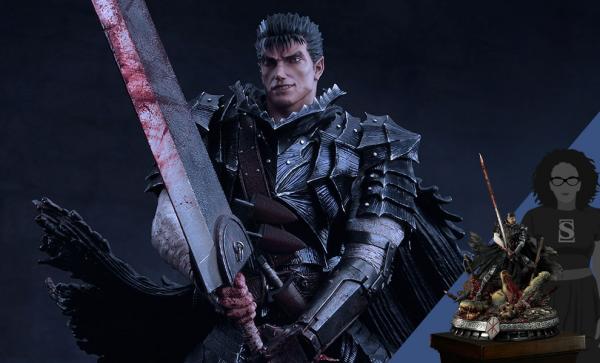
Seinen is the term for shows targeted towards adult men; those are often darker and more mature than shonen anime. A show like Berserk is a well-known example.
Shoujo / Josei

- Example(s): Fruits Basket, The Apothecary Diaries, Paradise Kiss, Yuri!!! On Ice
- Genre Staple: Female-led, coming of age
Shoujo anime are targeted at school-age girls. Shoujo is often dismissed for being solely about romance, but that’s a stereotype. Certainly romance plays a part in a lot of shoujo anime, but there are as many different types of shoujo stories as there are shonen ones. A show like Fruits Basket is much different from something like The Apothecary Diaries, after all, even though romance plays a part in both shows.
Josei, like seinen, is an indicator that a story is for an older audience, adult women here. Josei anime aren’t talked about as much as shonen or shoujo, but with shows like Paradise Kiss and Yuri!!! On Ice as beloved examples, they definitely can’t be written off.
Isekai

- Example(s): Ascendance of a Bookworm, I’m in Love With the Villainess
- Related Genre: Fantasy
This is a fun genre. Isekai anime features a character who has been plucked from the normal world and dropped into a fantasy one. In Ascendance of a Bookworm, the main character travels back in time to a world where books are still so uncommon as to be a luxury, affordable only for the super rich. In a show like I’m in Love With the Villainess, the main character is reincarnated into her favorite otome game (dating sim). Things can get pretty wild in iseksai anime, but that’s what makes it one of the most popular genres of the medium.
Slice of Life

- Example(s): Sk8 the Infinity, My Dress-Up Darling
- Related Genre: Romantic Comedy
Slice of life anime is often cozy and relatively low stakes. These stories take place in an everyday setting where the world isn’t ending, and the big bad is familiar – crippling social anxiety, not a vengeful deity. Characters’ day-to-day lives and interpersonal relationships are usually the focus of these stories. Sk8 the Infinity is a fun example about friendship and skateboarding, while My Dress-Up Darling is an adorable story that explores being true to yourself through cosplay.
Mecha

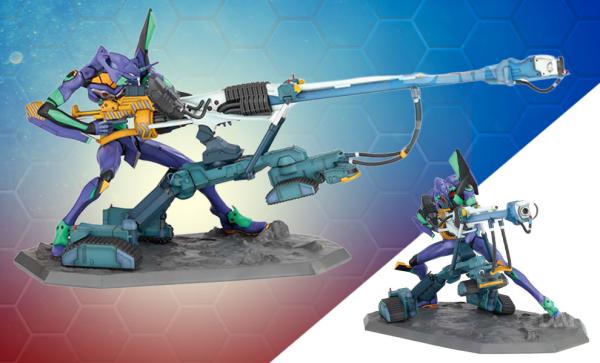
- Example(s): Neon Genesis Evangelion, Mobile Suit Gundam, Blue Gender, Ghost in the Shell
- Related Genre: Kaiju
Robots! Explosions! Rather than fights between individual people, battles in mecha anime involve giant robots throwing all the hands. Whether they’re piloted, transforming, or wearable, robots are the name of the game here. Among the genre’s most well-known and influential anime is Neon Genesis Evangelion, but Mobile Suit Gundam, Blue Gender, and Ghost in the Shell are other examples.
Magical Girl

- Example(s): Sailor Moon, Cardcaptor Sakura, Revolutionary Girl Utena
- Related Genre: Fantasy
As Sailor Moon is one of the most popular animated series of all time, this genre probably doesn’t need defining. For those who might not know though, the magical girl story usually features a young girl (or a whole group of them!) with a world-saving alter ego and the superpowers to help her accomplish the task. The fashionable costumes aren’t required, but they’re greatly appreciated. Cardcaptor Sakura and Revolutionary Girl Utena are other famous and highly regarded examples.
Yuri / Yaoi

- Example(s): Burst Angel, Sasaki and Miyano
- Genre Staple: Queer themes, romantic focus
Also called girls’ love (GL) and boys’ love (BL) respectively, yuri and yaoi anime feature queer characters at their center. For a long time, people generalized the genres as toxic and exploitative, but modern works have done a fantastic job of telling much healthier, more nuanced LGBTQ+ stories. Burst Angel is an older yuri show with a whole lot of gun-slinging and crime-fighting, while Sasaki and Miyano is a more recent coming-of-age yaoi about the blossoming relationship between two school boys who bond over BL manga.
Harem / Reverse Harem

- Example(s): Tenchi Muyo!, Ah! My Goddess, Ouran High School Host Club
- Related Genre: Romance
The harem genre of anime has a bit of a reputation, and it’s not hard to see why given the name. In harem anime, the focus is on a single male protagonist and his many potential female partners. The “potential” part is where things can get interesting in good and bad ways. Certainly, the nature of the genre leads a lot of one-note female love interests, but watching characters interact and develop relationships is the best part of any story, and it’s where the charm of this genre comes in when executed properly. This is also true for reverse harem anime, where the main protagonist is female and the multiple suitors are male. Some old school classics that helped define the genre are Tenchi Muyo!, Ah! My Goddess and Ouran High School Host Club.
There are as many genres of anime as there are of any other medium, so naturally, these are just some of the terms you’re most likely to run into on your journey down the anime rabbit hole. Hopefully they help!
What’s been on your anime radar lately? Join the conversation with other anime fans over at Sideshow Social Network or in side.show/geekgroup, and don’t forget to Let Your Geek Sideshow!
By Deja Jones

More from Deja
- Who Are the Best Video Game Villains of All Time?
- Your Guide to Video Game Sequels for 2026 and Beyond
- Gotham Under Siege: Batman Knightfall TV Movie Review
- Celebrate Best Friends Day with Famous BFFS in Pop Culture!
- Curses Abound – Jujutsu Kaisen: Execution Film Review
✍️ Written by Humans, Not AI
Related Products
Chopper
Izuku Midoriya