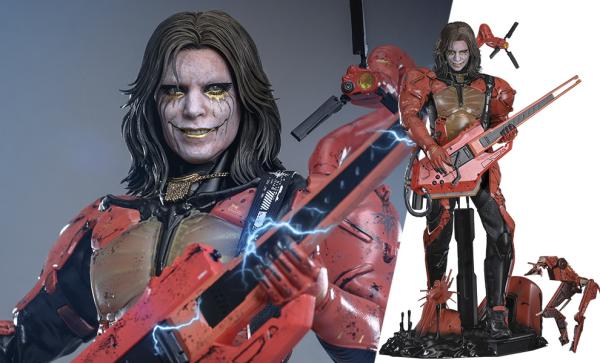
The Scariest Parts of the Death Stranding 2 Video Game
Although marketed as an action-adventure video game, Death Stranding is imbued with horror. It is a genre-blending foray into designer Hideo Kojima’s visionary mind. His imagination knows no bounds, spreading itself across a game that demands at least 30+ hours of your time just to finish the main story. And throughout, players will encounter ominous ordeals, creepy creatures, and the terrifying tragedies inherent in a post-apocalyptic world.
At its core, Death Stranding is a waking, walking nightmare. Protagonist Sam Porter Bridges is burdened with near-impossible tasks. He must contest with vicious A.I. enemies and looming extinction. As Sam, you traverse an ever-evolving landscape destroyed by tar pits, wildfires, and bloated Beached Things. Everything wants to kill you. Even fellow humans, or at least those who have not retreated underground, steal from and shoot at Sam.
The latest installment, Death Stranding 2: On the Beach, includes lots of frightening images and sequences, including classic jumpscares. Let’s rank the scariest scenes in Hideo Kojima’s newest video game below.
5. First fight with Neil Vana

Anyone who played the first game knows the disorienting event of tar-based time travel. Recalling the experience still doesn’t prepare you for how freaky it is when Sam gets sucked into the Mexico portal. Faced with a gooey shadow-self, Sam steps into a void of obsidian waterfalls. Washed away into the Seam, or a purgatory of sorts, he encounters a dead man trapped in a type of limbo.
Reminiscent of Snake from Metal Gear Solid, Neil Vana leads a commando crew of skeletons. He and his squad carry assault rifles and move through a bleak environment. Of course, Neil isn’t the only spooky part of that boss fight. This Día de los Muertos-inspired version of Mexico is cast in deep shadows and blinding sparks of ferris-wheel-spun light. It is a land of ghosts and ghastliness, through which Sam has to struggle fiercely.
4. Higgs’ eternal fire

Sam is a Repatriate. That means he can die and then resurrect himself. Death is not permanent, and even his aging is slowed, making him functionally immortal. This ability helps Sam a lot in his role as a porter who must constantly fight people and BTs. Unfortunately, Higgs takes advantage of Sam’s abilities to lock him in an endless cycle of torment. In a chilling scene, Higgs uses his flamethrower guitar to burn Sam alive. When Sam repatriates, he burns again. The player must then force Sam to crawl outside to find water.
Of course, as a primary antagonist, Higgs’ actions will always be terrifying. His entrance inside a coffin gives players a glimpse at the death and destruction to come. Additionally, Higgs is incredibly frightening when he’s sliced in half and his android body lies broken and battered. Yet Higgs continues to mock Fragile and Sam, repeating a mechanical line: “I’ll take the damage and the goods. I don’t break that easy.”
3. President’s “Zero Voidout Policy”

Kojima doesn’t pull his punches when it comes to real-world commentary. In both Death Stranding 1 and 2, he mourns the death of society. Social interaction has entirely vanished, or is limited to online “communities.” Humans barricade themselves inside bunkers. They lack trust in each other. Nobody dares venture to the outside world. Does any of that sound familiar? In our social media age, of course it does.
On the Beach pushes this concept further. Bots and algorithms have replaced the need for human mobility or discussion. The fictional President of the United States wants to automate all deliveries in the name of “eliminating risk.” He can package it any way he wants, but it’s still a thinly disguised attempt to limit and control freedom of speech, among other things. Additionally, his proposed Chiralverse manages and controls every aspect of human existence. In essence, he wants to trap humanity as servers on the Beach to achieve robotic immortality and then wither away into nothing. If that doesn’t scare you, what will?
2. BBs and Stillmothers

We could analyze Death Stranding’s themes and allegories for days. However, Death Stranding primarily revolves around parenthood/motherhood and women’s bodily autonomy. Bridge Babies are fetuses incapable of surviving outside of a womb. Due to the unsteady nature of their livelihood, they provide porters with direct access to the Beach. This, in turn, helps porters sense and see BTs. But where did BBs come from? What is the moral cost of making a human baby into a disposable tool?
In an extremely topical twist, Kojima reveals that the company Bridges deliberately made pregnant women brain dead to utilize BBs to access the Beach. When such practices were outlawed in the United States, Bridges forced porters such as Neil Vana to smuggle women from Mexico. Then, they sacrificed these migrant women’s children in order to connect the Chiral Network. And even BBs not from Mexico, like Sam and Lou, were byproducts of experiments or government conspiracies.
1. Losing Lou

Losing their child is every parent’s worst fear. Sam spends all of Death Stranding protecting his Bridge Baby — Lou — from harm. There are even mechanics to comfort and console the irate infant if you fall or get hit. Every second of the first game is spent protecting Lou. Sam even disobeys direct orders at the end, refusing to incinerate her allegedly defective pod. Removing her instead, he takes Lou into hiding to raise her as his own.
Together, Sam and Lou/Louise live in peace and harmony. But one day — the start of On the Beach, Fragile comes calling. She asks Sam to deliver something for her while she babysits Lou. But a gang of mechanical sentries break in to attack. They shoot Fragile. When Sam rushes back, his baby girl is gone. Lou has disappeared entirely. While Sam deludes himself into believing she’s somehow survived inside the pod, his hopes are that of a desperate, grieving father.
Honorable Mention: Dollman’s Secret Cutscenes

Dollman is quite the intriguing character. A spiritual medium with his soul stuck inside a ventriloquist dummy, Dollman is aptly named. And he is a hero and member of the D.H. Magellen crew. Yet you can’t deny the basic creepiness of a talking doll. Kojima takes advantage of his audience’s generalized pediophobia in a couple secret cutscenes. For non-gamers, those are basically story scenes that you don’t have to trigger to beat the game objectives, but that add to the overall lore and ambiance of a game.
In one instance, Sam has a nightmare about his BB missing from her pod. When he goes to check on her, a fanged Dollman bursts through the liquid, his dark suit sickly in the yellow light. In another scenario, Dollman offers to tell a story. He speaks of old sailors’ superstitions and paper talismans. Near the end of his tale, the room floods with preternatural, flickering red. We won’t spoil the final scare, but suffice it to say, it’ll get your heart pounding.
Death Stranding fans, what was the scariest part of On the Beach for you? Connect with others players at side.show/geekgroup or share your picks in the Sideshow Social Network. And as always, don’t forget to Let Your Geek Sideshow!
Stir up the spirits and face the monsters within … Spooktacular has been unleashed once again!
Put the EEK! in geek during Sideshow’s Spooktacular 2025, a celebration with ghastly giveaways, deathly deals, eerie exclusive perks, and more. Join us from October 23 – October 31 by visiting side.show/spooktacular and don’t forget — sleep is for the weak!
By Jasmine Edwards

Connect with Jasmine
More from Jasmine
- Which Creepy Clown is Scarier: The Joker or Pennywise?
- Halloween Ends: Who Has Survived Michael Myers?
- Dark Comedy: Humorous Horror Heroes and Villains
- Which Horror Movie Did You See Way Too Early?
- The Scariest Fictional Witches in Horror and Fantasy Films
✍️ Written by Humans, Not AI
Related Products
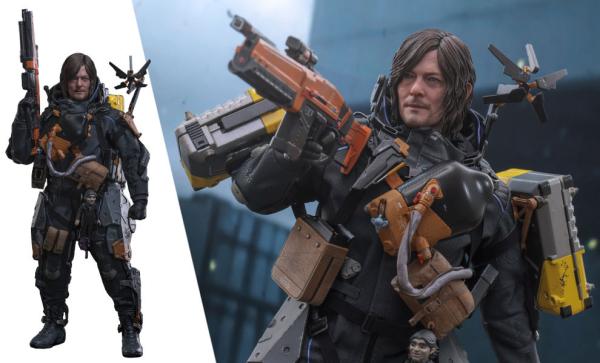
Sam (Special Edition)
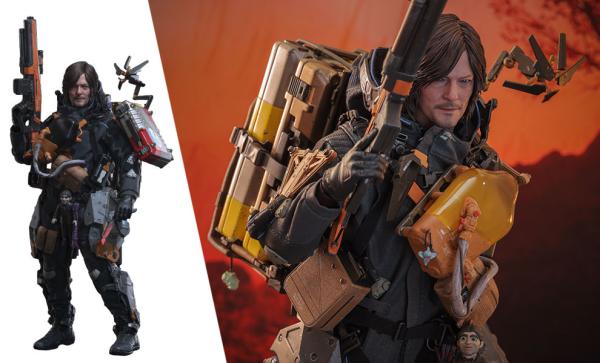
Sam (Deluxe Version) (Special Edition)
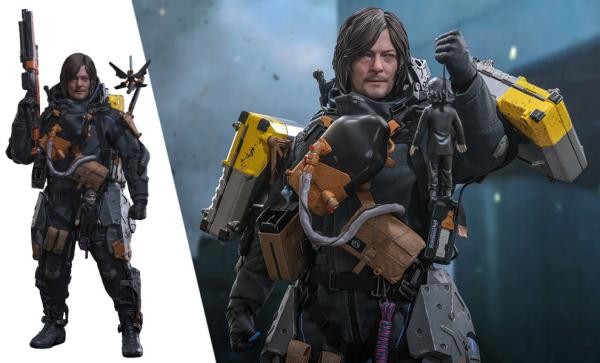
Sam